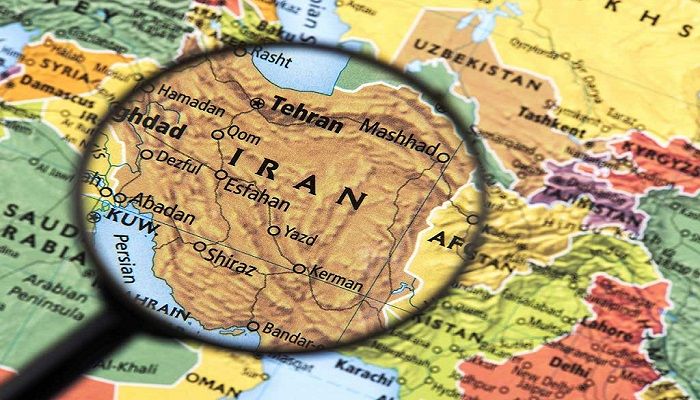
Sometimes when people talk about the U.S.–Iran conflict, it sounds like everything is happening in one place. But the reality is a bit different. The tension between these two countries actually spreads across several regions in the Middle East, almost like a chessboard with many moving pieces.
If you follow global news even casually, you’ll notice that certain areas keep popping up again and again. These locations are not random they’re strategic spots where military influence, energy routes, and political alliances collide.
Let’s break down a few of the main regions where the friction between the United States and Iran often shows up.
The Persian Gulf: The World’s Energy Highway
One of the most sensitive regions is the Persian Gulf. This area is extremely important because a huge portion of the world’s oil supply travels through it.
The narrow Strait of Hormuz, in particular, is like a global energy bottleneck. If anything serious happens there, oil prices around the world can jump overnight. Iran has military presence along the coast, while the United States frequently patrols the waters with naval fleets.
From time to time, there are reports of drone incidents, tanker seizures, or naval standoffs. Even when nothing major happens, the tension alone keeps everyone watching closely.
Iraq: A Complex Battlefield of Influence
Another key area is Iraq, which has become something of a political crossroads between U.S. and Iranian influence.
After the Iraq War, the United States maintained military forces in the country. At the same time, Iran built strong connections with various political groups and militias inside Iraq. This created a complicated environment where both sides are active.
Sometimes rocket attacks on bases hosting U.S. troops or political disputes inside Iraq reflect this underlying rivalry. It’s not always direct confrontation, but the tension is definitely there beneath the surface.
Syria: A Strategic Regional Puzzle
Then there’s Syria, which has been a major geopolitical hotspot for years pedulitogel. Iran supports the Syrian government and has deployed military advisors and allied forces in the region.
Meanwhile, the United States has maintained a military presence in parts of eastern Syria, mainly focused on counterterrorism operations and stabilizing certain areas.
Because both countries operate within the same broader territory, the risk of indirect clashes or misunderstandings always exists. It’s one of those situations where everyone is watching everyone else.
The Red Sea and Gulf of Oman
More recently, tensions have also appeared around the Red Sea and the Gulf of Oman. These waterways are crucial for international shipping and trade.
Attacks on cargo ships, drone incidents, and maritime security concerns have all been reported in these waters over the past few years. While responsibility can sometimes be unclear, these events often get linked back to the broader regional rivalry between the U.S. and Iran.
And again, because so much global trade passes through these routes, even small incidents can make big headlines.
Why These Regions Matter
When you look at all these areas together the Persian Gulf, Iraq, Syria, and nearby sea routes it becomes clear that the U.S.–Iran conflict isn’t confined to a single battlefield.
Instead, it’s more like a network of strategic zones where influence, military presence, and global interests overlap. Energy supply routes, regional alliances, and security concerns all play a role.
From a broader perspective, it’s a reminder that geopolitical tensions today rarely stay in one place. They ripple outward, affecting multiple regions at the same time.
Final Thoughts
If you follow global politics even a little, you’ll notice that the relationship between the United States and Iran often shapes the security situation across the Middle East.
While outright war is something most countries want to avoid, the strategic rivalry between these two powers continues to influence several key regions. And as long as energy routes, alliances, and regional politics remain intertwined, those areas will likely stay in the global spotlight.